The evolution of frozen food, from its earliest experiments to modern industrial systems, focusing on the essential role of the cold chain and refrigerated transport
As far back as ancient times, communities in Northern Europe, China and the Middle East used natural ice to preserve meat, fish and dairy products during winter. This was an early form of food preservation, using low temperatures to slow bacterial growth.
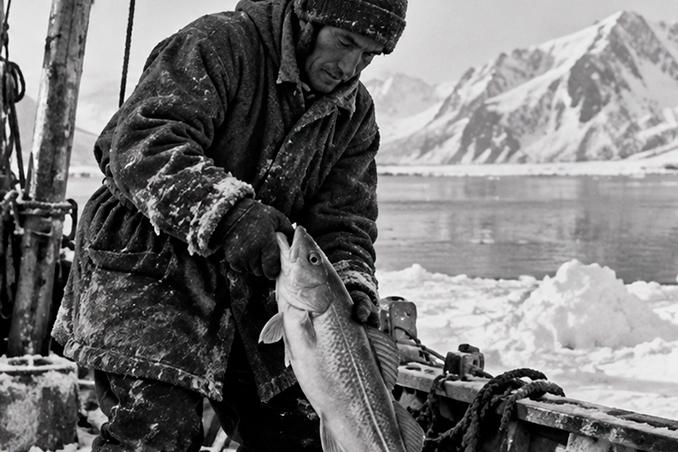
The frozen food revolution began in 1924 with American inventor and naturalist Clarence Birdseye, widely regarded as the father of the frozen food industry.
Birdseye observed that the extreme cold of the Arctic climate froze fish exceptionally quickly, preserving its texture, flavour and quality. This insight gave rise to the concept of quick freezing: a process that freezes food rapidly, forming tiny ice crystals that do not damage its internal fibres.
From the 1950s onwards, the widespread adoption of domestic refrigerators and early freezers led to rapid growth in the frozen food market. At the same time, the cold chain developed into the system we know today, encompassing:
- Industrial freezing facilities;
- Cold storage rooms;
- Refrigerated transport;
- Road distribution using insulated and refrigerated vehicles;
- Storage at retail outlets;
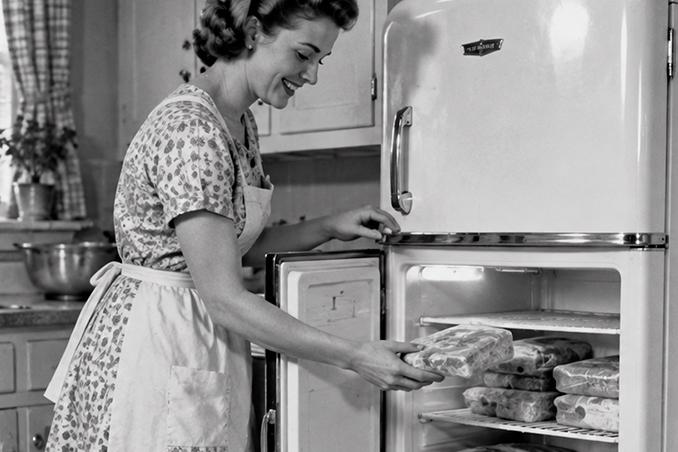
Without an efficient cold chain, the frozen food market could never have developed.
The growth of frozen food has gone hand in hand with advances in refrigeration technology. From forced-air refrigeration to eutectic refrigeration, from insulation to the development of lightweight insulated refrigerated bodies, each innovation has helped improve frozen food quality, reduce waste, enhance food safety, optimise short- and long-distance transport and lower energy consumption.
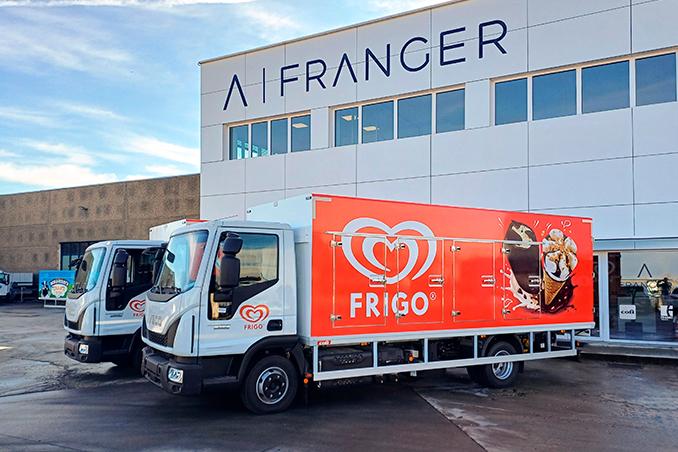
Today, frozen food transport relies on single- and multi-temperature refrigerated vehicles equipped with:
- Eutectic systems;
- Advanced refrigeration units;
- High-insulation panels;
- Fully electric technologies;
- Temperature monitoring.
Frozen food logistics has become a highly specialised sector of strategic importance to the global economy.
Frozen food is no longer seen as a second-best option, but as a conscious choice for quality, safety and waste reduction. The global market continues to grow, driven by demand for safe products that retain their freshness.
The history of frozen food is the story of a technological transformation that has changed how we produce, distribute and consume food. Thanks to freezing, the cold chain and modern refrigerated road distribution systems, millions of food products now reach shops and consumers safely every day. It is an industry built on pioneering insights and shaped by decades of innovation in professional refrigeration.