From its origins to the cold chain revolution, including the breakthrough of eutectic refrigeration.
Before modern refrigeration, transporting perishable goods was a major challenge. In the 19th century, preservation relied on natural ice, sawdust and rudimentary insulation materials. These methods were suitable only for short distances and limited deliveries, with substantial thermal losses.
As food consumption increased and the agricultural and dairy industries expanded, demand grew for more efficient road transport technology, offering greater speed and flexibility than rail.
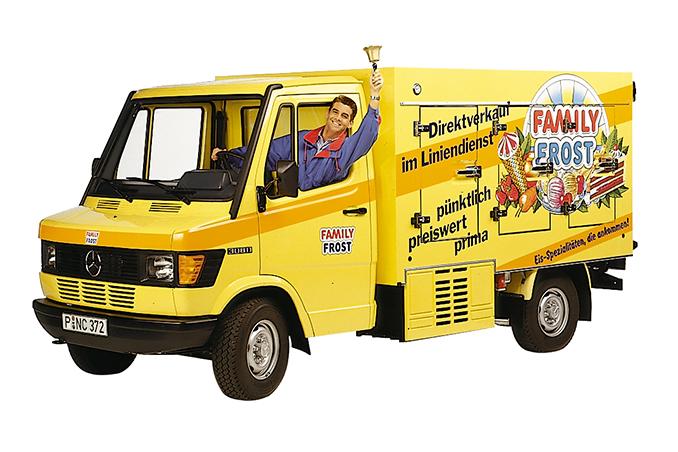
During the 20th century, the first vehicles equipped with mechanical refrigeration systems became more common. However, these systems were complex, bulky and not always reliable.
The real turning point came with the introduction of eutectic refrigeration: a technology using eutectic plates or cylinders to store and release cooling energy steadily over many hours, without auxiliary engines or energy consumption during distribution.
The invention of eutectic refrigeration made refrigerated transport quieter, with lower energy consumption and reduced maintenance, more reliable temperature control and levels of food safety previously considered unattainable.
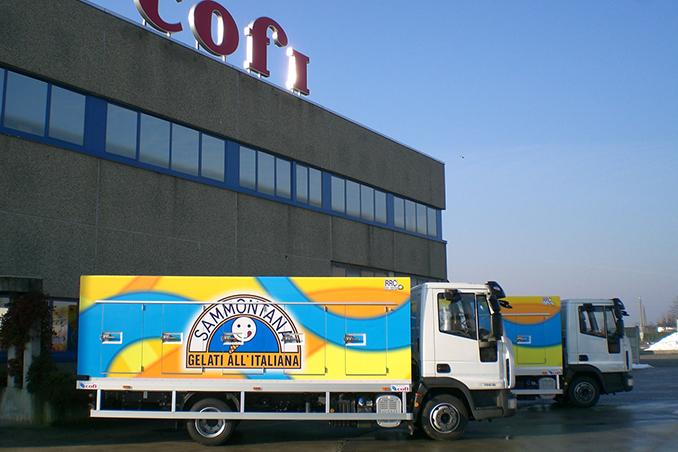
From the 1960s onwards, demand for refrigerated transport grew rapidly due to:
- The development of large-scale retail distribution;
- The growth of the frozen food sector;
- The expansion of home delivery services and the hospitality and catering industry;
- New food safety requirements.
During this period, Casale Monferrato became the European capital of refrigeration, as companies emerged that pioneered new materials, technologies and manufacturing processes.
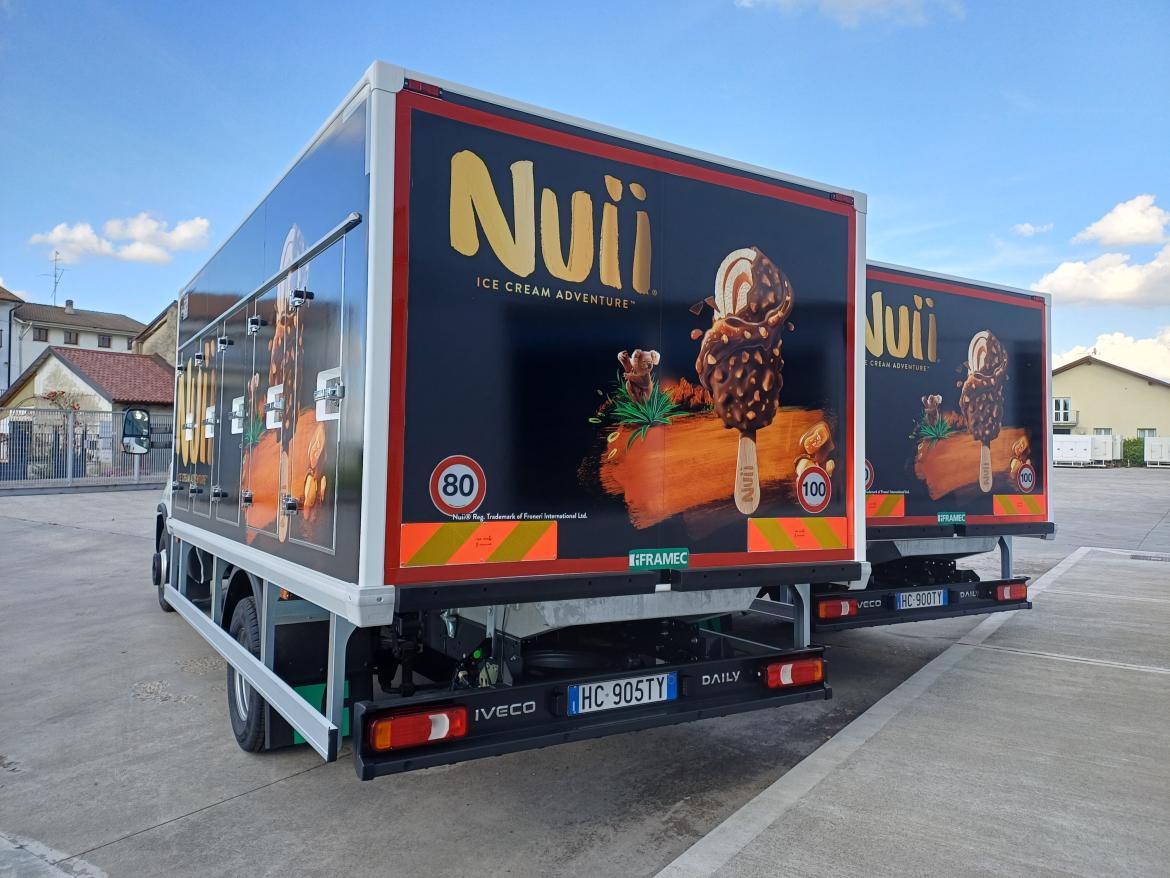
It was here, in the heart of Italy’s “refrigeration triangle”, that some of the world’s most advanced solutions took shape.
Eutectic refrigeration soon became the benchmark technology for urban distribution and last-mile deliveries, particularly for ice cream and frozen products, dairy products, meat and fresh foods, thanks to multi-temperature solutions.
The advantages of eutectic refrigeration remain clear today:
- Reduced cooling losses;
- Lower operating costs;
- Zero emissions during distribution;
- Greater operating autonomy;
- More stable temperatures;
- Reliability even in hot climates;
- Seamless integration with fully electric modern vehicles.
Eutectic refrigeration is a technology that paved the way for efficient refrigerated transport as we know it today.
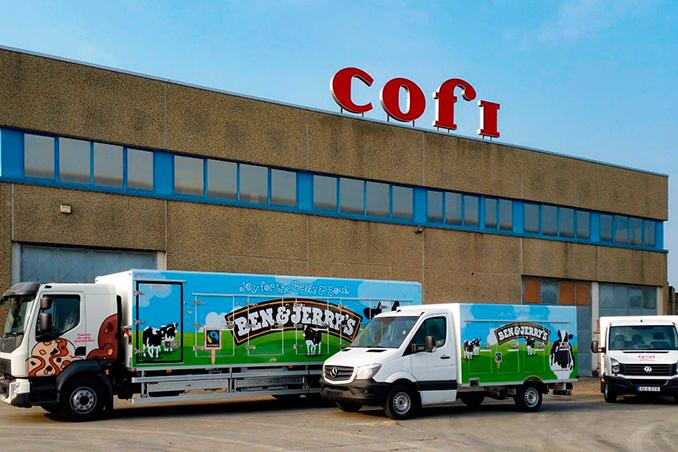
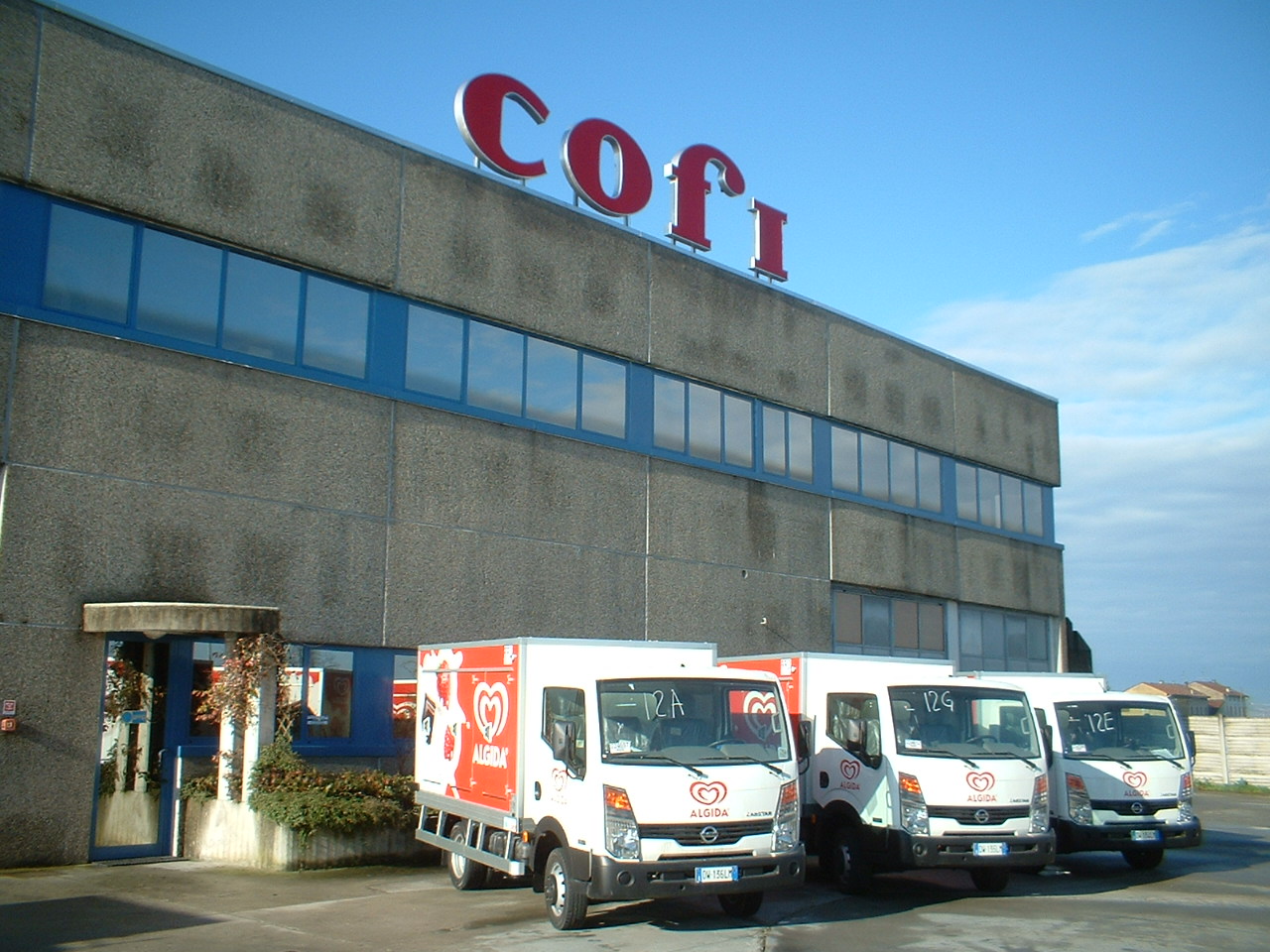
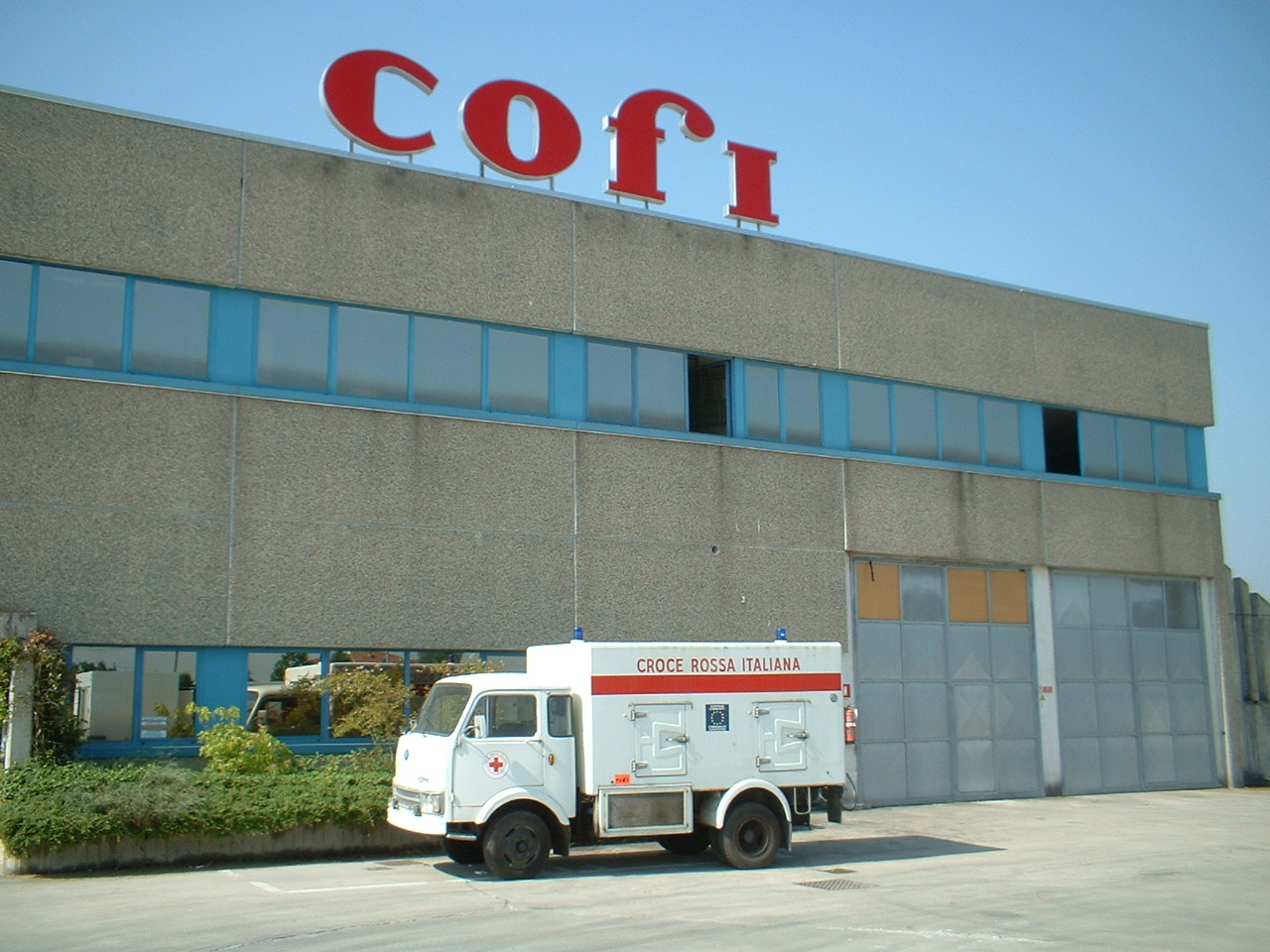
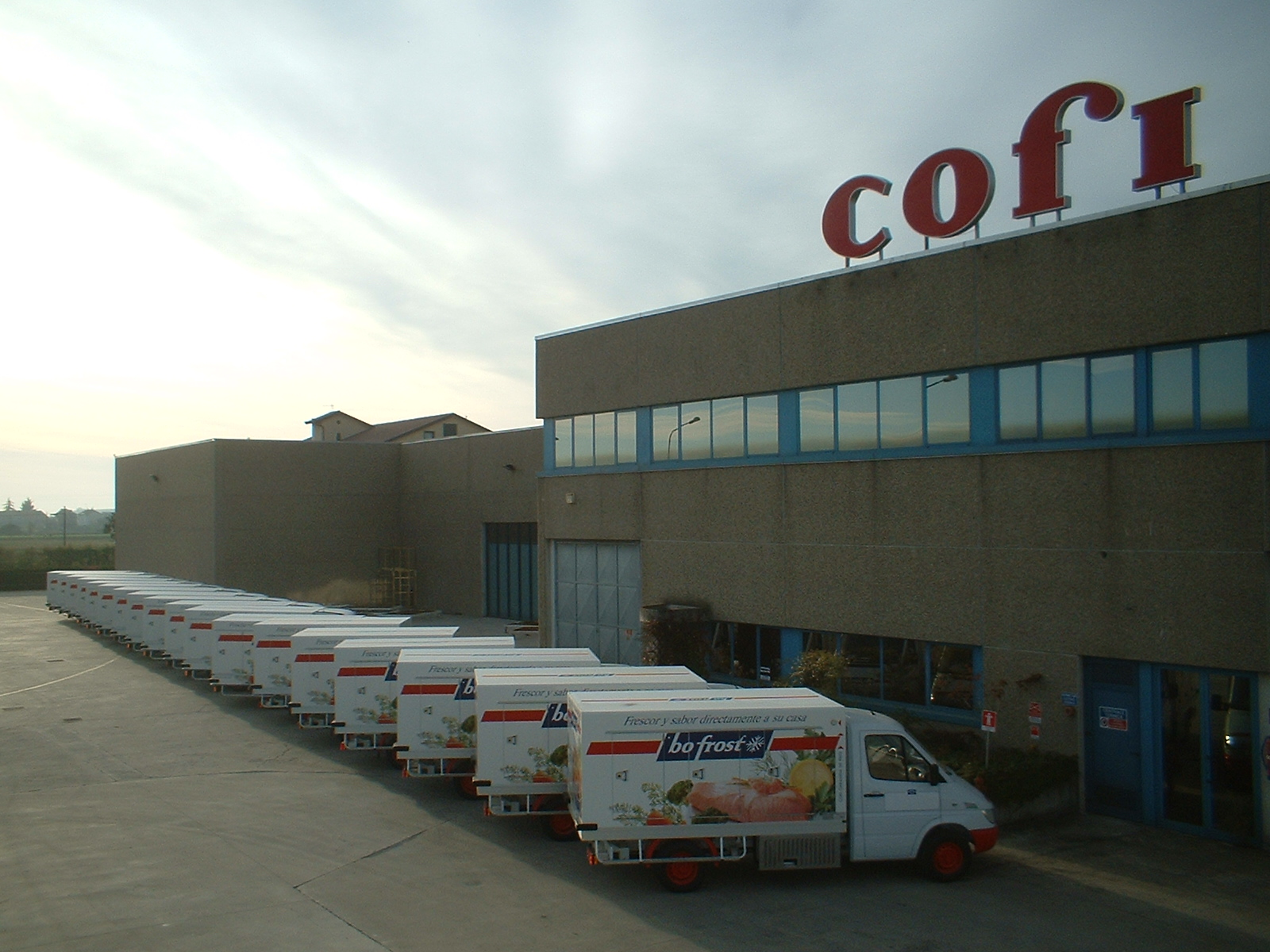
Companies founded and developed in Casale Monferrato have helped establish technical standards for refrigerated road transport in Italy, across Europe and worldwide. It is in this district that the two historic brands at the heart of the Franger Group, Cofi and Framec Truck, were born.
An international reference point for the design of customised refrigerated bodies exported worldwide, Cofi has stood for 70 years for craftsmanship, tailor-made solutions, lightweight insulated bodies and advanced eutectic technology (CSR®).
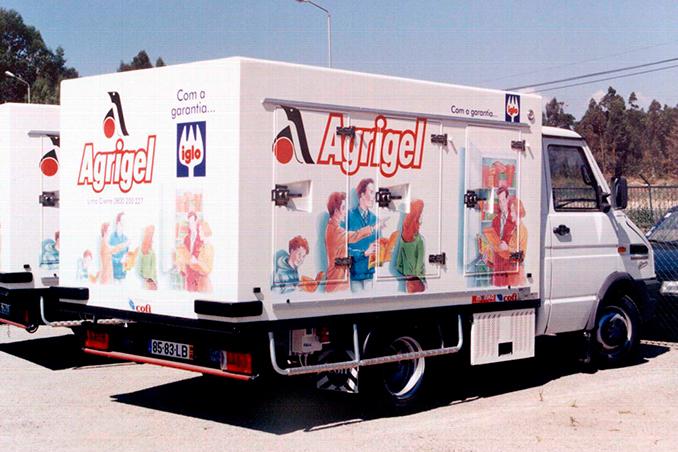
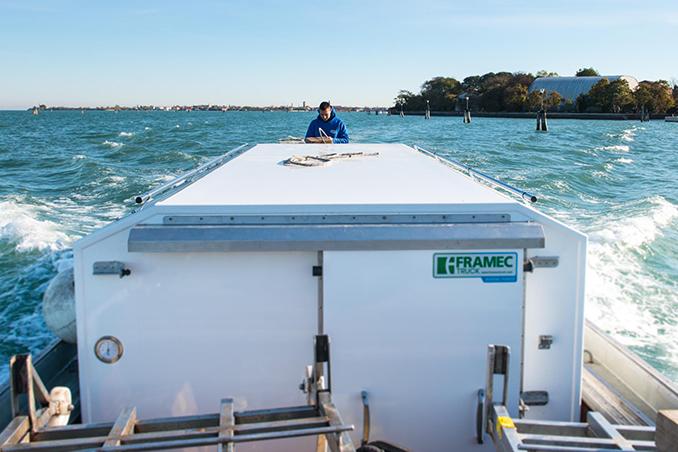
Framec Truck is a historic name in industrial road refrigeration with more than 50 years of experience. It continues to offer a robust, extensive and high-performance range, valued in over 70 countries for reliability, durability and thermal performance.
The history of refrigerated road transport is one of ingenuity, technological progress and collaboration between businesses. Cofi and Framec Truck still embody the excellence of a region that has innovated, exported expertise and established itself as a global leader in eutectic refrigeration and insulated vehicle bodies.